
How to Get Rid of Bloating Fast: Causes, Foods to Avoid & Proven Fixes
Struggling with bloating after meals? Learn what causes bloating, which foods to avoid, and how to fix it fast with stomach acid support, enzymes, and probiotics.
How to Get Rid of Bloating: Causes, Foods & Real Solutions
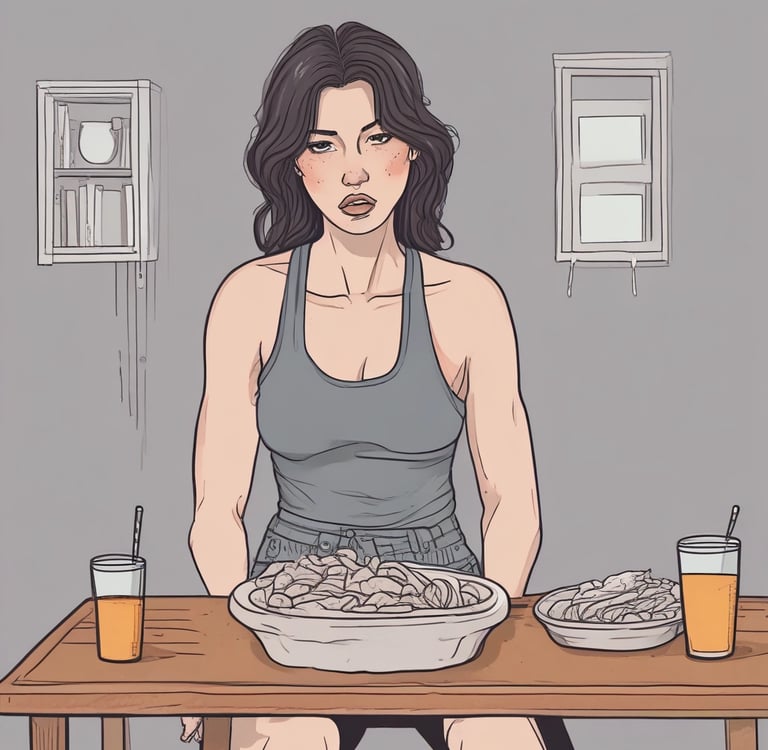
In my 30s, I started experiencing persistent bloating, especially after eating pasta and bread. I’d feel full, gassy, and uncomfortable—like my gut just wasn’t moving things along. Over time, I learned that bloating isn’t just about eating too much; it’s a sign that your digestion is struggling. For me, the turning point came when I discovered that low stomach acid was a major cause, and supporting acid production with betaine HCl helped me digest those trigger foods more comfortably.
If you’re experiencing constant bloating and wondering what causes bloating or how to get rid of bloating, you’re not alone. Many people have sluggish digestion due to gut bacteria imbalances, low stomach acid, or enzyme deficiencies—and each of these can cause food to sit undigested and ferment.
What Causes Bloating?
Bloating often starts when your gut can’t digest food efficiently. Here are the main culprits:
1. Gut Microbiome Imbalance
We don’t fully understand every strain of gut bacteria, but we do know that these microbes handle a large part of digestion. When your microbiome is out of balance, you may be eating foods your body simply can’t process quickly enough—causing them to linger and ferment. Studies show that restoring balance to the gut microbiota is essential for managing functional bloating .
2. Low Stomach Acid
This was a game-changer for me. As we age, stomach acid tends to decrease. Without enough acid, your body struggles to break down protein and trigger the release of digestive enzymes. I personally found that raising my stomach acid with betaine HCl before meals drastically reduced my bloating—especially after eating gluten-heavy foods like pasta or bread. Medical literature supports this: low stomach acid is strongly associated with gas, reflux, and delayed digestion .
3. Digestive Enzyme Gaps
Some people lack key enzymes like lactase (for dairy) or sucrase (for sugars), which means foods aren’t fully digested and instead ferment in the gut. Digestive enzyme supplements—either broad-spectrum or specific ones for lactose and gluten—can help reduce bloating and discomfort after meals .
4. Food Intolerances & FODMAPs
Certain carbohydrates called FODMAPs (in foods like onions, beans, and apples) ferment quickly and cause gas. Reducing high-FODMAP foods often eases bloating in those with sensitive digestion .
Foods That Commonly Cause Bloating
Gluten (pasta, bread): In my case, these were major triggers. If you have a sensitivity to gluten or FODMAPs in wheat, they can ferment in your gut.
Dairy products: If you’re lactose intolerant, milk, cheese, and ice cream can be hard to digest.
Legumes & cruciferous vegetables: Beans, lentils, broccoli, and cabbage are high in fiber and may cause gas when your gut isn’t ready.
Carbonated drinks: Sodas and fizzy beverages introduce extra gas into the system.
Artificial sweeteners & sugar alcohols: Found in “sugar-free” products, these can feed bad bacteria and cause fermentation.
Quick Relief for Bloating
Here’s what I found helpful:
Apple Cider Vinegar (if tolerated): A teaspoon in warm water before meals can gently support acid levels.
Betaine HCl: This supplement helped me digest heavier meals. Always start low and work with a practitioner.
Digestive Enzymes: Broad-spectrum formulas or ones specific to gluten and dairy helped reduce bloating after trigger meals.
Warm teas: Ginger, peppermint, or fennel tea can ease digestive spasms and help gas pass.
Walking after meals: Gentle movement helps digestion and bloating go down faster.
Long-Term Strategies to Prevent Bloating
1. Probiotics and Fermented Foods
Adding probiotic-rich foods like sauerkraut, kefir, or kombucha can feed your gut with good bacteria. However, people with histamine intolerance may need to choose specific strains or go slow. Look for probiotics that contain non-histamine-producing strains like Lactobacillus plantarum and Bifidobacterium infantis .
2. Chew More, Stress Less
Chewing thoroughly and eating slowly reduces air intake and improves digestive signaling. Managing stress is just as important—stress can literally shut down digestion.
3. Enzyme Support
Keep a trusted digestive enzyme blend on hand. For me, using enzymes around meals helped my gut feel calmer and lighter.
4. Low-FODMAP Adjustments
Many people over 40 benefit from temporarily reducing high-FODMAP foods. This gives the gut time to repair and rebalance.
Final Thoughts
Bloating isn’t just annoying—it’s your gut asking for help. For me, understanding the root cause was key. Supporting stomach acid, taking enzymes, and tuning into which foods my body couldn’t process helped me feel lighter, sleep better, and enjoy meals again.
If you're constantly bloated and over 40, don’t ignore it. Simple changes, especially targeting acid, enzymes, and the microbiome, can make a world of difference.
Explore more articles related to Gut Health.